The 'Friends and Family' Discount Is Quietly Wrecking Your Business
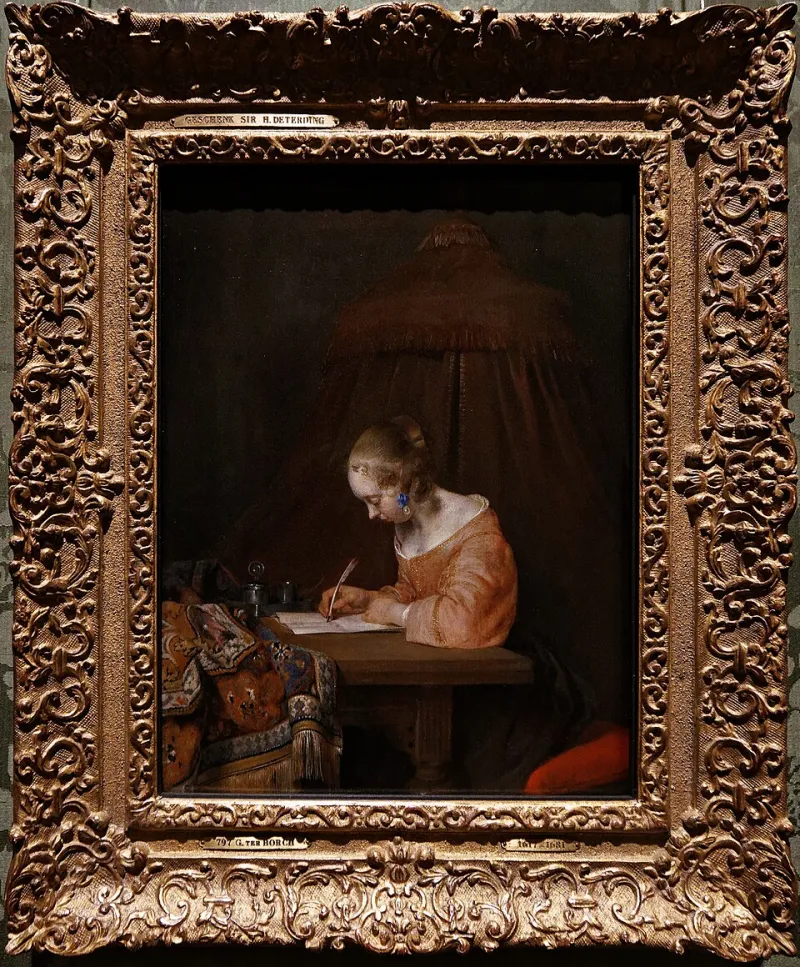
Photo: Txllxt TxllxT, CC BY-SA 4.0, via Wikimedia Commons
A few years ago, a friend of a friend asked me to shoot and edit a promo video for her small business. "It'll be so easy for you," she said. "And honestly, I can't pay much, but it'll be great for your portfolio."
I said yes. It took me eleven hours. She asked for four rounds of revisions. When I finally sent the invoice — at the heavily discounted rate I'd sheepishly quoted — she paid it two months late, and we haven't really talked since.
That was the last time I'd wing it with friends-and-family pricing. Here's what I do instead.
Why the Free Work Problem Is a Productivity Problem
You might expect this to live in the business-strategy section of my brain, but honestly, it lives in my time management folder. Free work doesn't just cost you money — it costs you hours you'd otherwise spend on paid projects, rest, or literally anything else.
Every "quick favor" I said yes to in my first two years added up to roughly six weeks of unpaid labor. Six weeks. That's not generosity; that's a leak in the boat.
The Three-Tier System I Built
After that video fiasco, I sat down and created a structure. It's not fancy, but it changed everything:
Tier 1: The Gift. Once or twice a year, I do something free, fully on my terms. I pick the project, the scope, and the deadline. It's a gift — and gifts come from the giver, not the asker. If someone requests a gift, it's not a gift anymore, it's a discount, and discounts go in Tier 2.
Tier 2: Friends and Family Rate. This is a real rate, in writing, usually 25–30% off my standard pricing. It's not charity — it's a professional courtesy, the same way airlines don't let your cousin fly for free but might upgrade him. Payment terms are identical to any client. Half upfront. No exceptions, not even for the people who watched me grow up.
Tier 3: Full Rate. Acquaintances, friends-of-friends, the person you met once at a wedding who "has an amazing idea for a channel." These are strangers with a familiar phone number. Full rate.
The Scripts That Hold the Line
Having a system is one thing. Saying it out loud to someone you love is another. These are the exact scripts I use:
When a friend asks for free work: "I'd love to help with this! My friends-and-family rate is [X], which is about 30% off my normal rate. I keep the same process with everyone so nothing falls through the cracks — want me to send over my usual one-pager?"
When they push back: "I totally get it — budgets are real. What I can do is scope it down to fit [X], or I'm happy to point you to someone newer who's building their portfolio."
That second sentence is the secret weapon. Offering a referral shows the problem is solvable — it's just not solvable by me working for free.
When it's genuinely someone who's been there for me: "You know I'd move furniture for you at 7 a.m. — and I also don't work for free, because I'd be a terrible friend if I resented this later. Let me do it at the friends rate and we'll call it even over dinner."
Your Pricing Teaches People How to Treat You
Here's the uncomfortable truth: how you price for your friends trains the market for everyone else. Brands talk. Referral networks talk. If word gets around that you'll slash your rate for anyone with a personal connection, that information travels — and suddenly every "quick call" from a potential client comes with a wink and a "what's your friend price?"
Conversely, when you hold your rates with warmth and consistency, something shifts. I noticed it within months. Prospects stopped haggling. The friends who respected me before respected me more. And the ones who got offended by a professional rate? They showed me exactly how they'd have treated me on a real project.
A Rate Card Isn't Cold — Silence Is
I know the fear. You don't want to be the person who "charges their friends." But flip it around: what's actually cold is resentfully doing free work, missing deadlines because you're overextended, and letting a friendship rot under the weight of an unspoken invoice.
A clear rate, offered kindly, protects the relationship and the business. My closest friends know my rates. Some have paid them. Some have hired me. None of them have stopped being my friends — which tells you everything you need to know about what a real discount was ever worth.