Your Name Is the Only Brand You Can't Sell — So I Decided to Build It Right
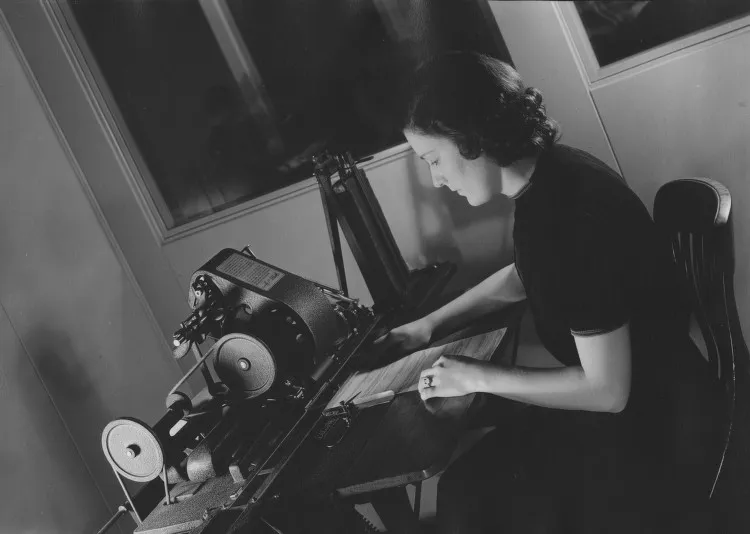
Photo: Robert Yarnall Richie, No restrictions, via Wikimedia Commons
A few years ago, a friend asked me why I didn't just launch under a catchy studio name — something ownable, something I could eventually sell. And honestly? I didn't have a great answer at the time. I just knew that when people found my work, I wanted them to find me.
That instinct turned into a strategy. Here's how I actually built a brand around my own name, and how to figure out if it's the right move for you.
Why I Chose My Name Over a Clever Alias
The case for a separate brand name is real: it's scalable, sellable, and it separates your bad days from your business. Plenty of creators I admire went that route and crushed it.
But I kept coming back to one thing — my name was already doing the heavy lifting. Every DM, every collab pitch, every comment said "Neha" in it. Fighting that momentum felt like swimming upstream. So instead of inventing a persona, I decided to sharpen the one that already existed.
There's also a simpler truth at play: a name-based brand means there's no daylight between what I make and who I am. That's terrifying on bad days and incredibly powerful on good ones. The accountability keeps my work honest.
The Visual Identity: Boring on Purpose
When I finally sat down to design my visual identity, I made one rule: it had to be simple enough that I could execute it myself at 11 p.m. on a deadline.
That meant two fonts, not five. A color palette I could count on one hand. One photography style — natural light, real spaces, no over-produced studio looks that I couldn't sustain. My logo is essentially just my name set well, because that's what the brand is.
If you're a solo creator, over-designed branding is a trap. You will not maintain a system that requires a design team. Build the simplest identity you'd still be proud to show a brand partner, then repeat it everywhere until it's recognizable.
Finding a Voice That Doesn't Exhaust Me
Voice is trickier than visuals because you can't pick it from a color wheel. Mine evolved through trial and mostly error.
Early on, I mimicked creators I admired — the high-energy, exclamation-point-heavy, "hey guys!" style. It never felt like mine, and my audience could tell. Engagement was flat even when I posted consistently.
What worked was writing like I talk to a friend over coffee. Lowercase energy. Honest about the flops. Opinionated about the industry, but never mean. The moment I stopped performing, people started responding — and brand partners started describing me as "genuine" in their pitch decks, which is worth more than any follower count.
The Deals I Said No To (And Why It Mattered)
Here's the part nobody puts in the highlight reel: building a personal-name brand means your name is attached to everything you touch. There's no corporate buffer. So the "no" becomes part of your strategy.
I've turned down a fast-fashion partnership that paid more than anything I'd done before. I've walked away from a supplement company that wanted me to make claims I couldn't stand behind. Each time, it stung — until six months later, when the brand's scandal hit the news and my inbox filled with "glad you passed on that one" messages.
Every no bought credibility I couldn't have purchased. When I say I use something, my audience believes me. That trust is the entire business model of a name-based brand.
Should You Build Under Your Own Name? A Checklist
Grab a coffee and answer honestly:
- Is your name already attached to your work? If clients, followers, and collaborators already know you by name, you have momentum worth keeping.
- Are you comfortable being the product? Personal brands mean your face, opinions, and occasionally your bad days are part of the package. If that sounds exhausting, a separate brand name gives you room to breathe.
- Do you want to sell the business someday? A name-based brand is nearly impossible to sell. If an exit is the goal, build an entity, not a persona.
- Can you sustain your real personality? If showing up as yourself five days a week sounds draining, a brand persona lets you dial it up or down.
- Would you be proud to have your name on everything for the next five years? Because that's the deal you're signing.
If most of your answers point toward your own name, stop overthinking it. Your name isn't a limitation — it's the one asset that appreciates every time you do good work, and the one thing no algorithm change or platform shutdown can take from you.
Build it like you're keeping it. Because with a name-based brand, you are.