My Worst-Looking Post Outperformed Everything Else — So I Stopped Fighting It
Let me tell you about the most humiliating piece of content I've ever posted.
I'd just come back from a brand trip — think ring lights, a content house in Scottsdale, a full suitcase of gifted product. I shot a gorgeous Reel. Color-graded footage, trending audio, captions timed to the beat. Three hours of editing for a 22-second video.
It got 4,000 views.
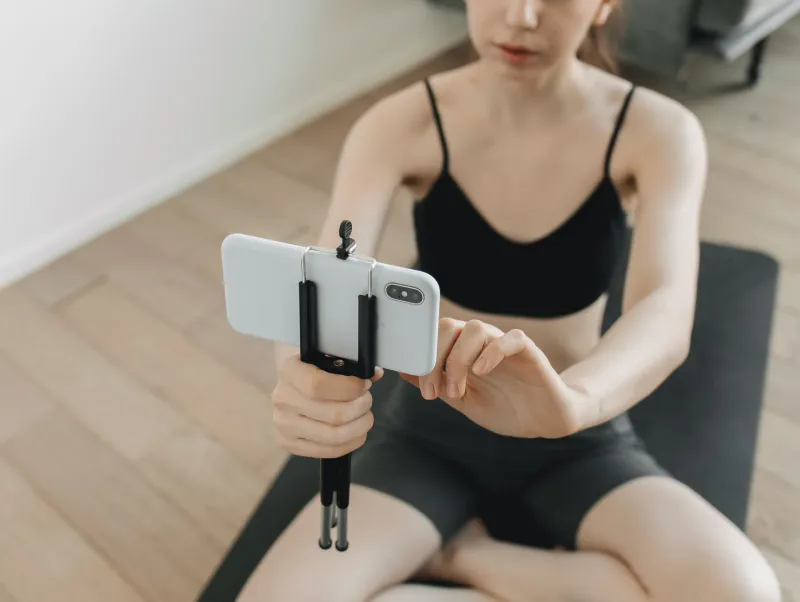
That same week, I posted a 15-second clip I filmed in my parked car, hair in a claw clip, talking straight to the camera about how I almost turned down that brand trip because I felt like a fraud. No edits. No hook written by a formula. I literally started with "okay so this is going to sound unhinged, but—"
Half a million views. Thousands of saves. DMs for a week.
I wish I could tell you that was a fluke. It wasn't. It took me two more years of stubbornly overproducing before I finally sat down and looked at my own analytics like a business owner instead of a perfectionist.
The Receipts (Mine and Everyone Else's)
When I actually pulled the data, the pattern was embarrassing. Across a 90-day window, my average watch-time completion on polished, edited videos sat around 31%. On my raw, one-take, talking-to-camera clips? 58%. Save rates were nearly double. Comment quality was night and day — polished posts got fire emojis; messy posts got people telling me their actual life stories.
And it's not just me. Think about the creator moments that live rent-free in your head. Emma Chamberlain built an empire on "vlog-style" chaos that made million-dollar production look boring. Drew Afualo's clips are basically her sitting in her car, laughing. Some of Alex Cooper's most viral Call Her Daddy moments are the unfiltered ones she probably second-guessed before publishing. Even on the brand side — Duolingo's whole account works because the owl feels unhinged, not corporate.
There's a name for why this works, and it's not just "authenticity" (a word I'm contractually obligated to be tired of). It's perceived effort inversion. When everything looks expensive, viewers assume you're selling. When something looks cheap, they assume you're telling the truth. In a feed full of ads pretending to be content, the grainy clip reads as one human talking to another.
But Please Don't Post Garbage
Here's where I have to pump the brakes, because I watched a bunch of creators hear "raw content wins" and start posting genuinely lazy videos that flopped too. Messy is not the same as careless. My car clip wasn't low-effort — it was high-honesty. There's a difference, and your audience can smell it.
Raw content still needs three things:
A real point. The claw-clip video had an actual story with a beginning, middle, and turn. "Raw" is a delivery style, not a substitute for having something to say.
Native audio. Wind noise, echo, and muffled audio will kill even the most compelling story. I'll forgive your unmade bed; I will not strain to hear you over road noise.
A reason it's raw. The best imperfect content feels imperfect on purpose — like you prioritized the message over the makeup. If it just looks like you forgot to edit, that's different, and the algorithm knows it.
My Two-Question Filter for Going Raw
Before I hit post on anything now, I run it through two quick questions:
1. Am I trying to be believed or to be impressive? If the goal is belief — a story, an opinion, a vulnerable moment — raw wins. If the goal is aspiration — a room reveal, a recipe, a transformation — production earns its keep. My polished travel montages still do their job. They're just not where my connection lives.
2. Would I say this to a friend this way? If my script sounds like a press release, the polish is a costume. If I'd genuinely tell my best friend this story over iced coffee, film it exactly like that.
That's it. Two questions, thirty seconds, and it's saved me from both overproducing my feelings and underproducing my work.
The Uncomfortable Conclusion
The hardest part of all this wasn't learning the strategy. It was accepting that my audience never asked for the polish. I asked for the polish, because it gave me a place to hide. Every extra hour in the edit was an hour I didn't have to risk just... being seen.
So here's my challenge for you this week: take the idea you've been overthinking, film it in one take, and post it before you can talk yourself into a color grade. Worst case, it flops — which, statistically, most things do anyway. Best case, you find out what I did in a parking lot: the messiest version of you might be the most valuable content you own.